


-

Add: HeBei ShengShi HongBang Cellulose Technology CO.,LTD.
-

Email
13180486930@163.com -

CONTACT US
+86 13180486930



In the vast landscape of chemical manufacturing, Hydroxypropyl Methylcellulose (HPMC) stands out as a crucial compound with diverse applications ranging from construction to pharmaceuticals. When it comes to sourcing HPMC, China emerges as a dominant player in the global market, home to some of the most reputable manufacturers known for producing high-quality HPMC products. This article explores the landscape of HPMC manufacturers in China, emphasizing the importance of Experience, Expertise, Authoritativeness, and Trustworthiness (E-E-A-T) for international buyers seeking reliable partners. Navigating the intricate world of chemical suppliers, buyers often seek companies with extensive experience, as it serves as a testament to a manufacturer’s ability to consistently produce quality products and adapt to changing market demands. China’s HPMC manufacturers typically boast decades of experience in the field . These manufacturers have honed their production processes to ensure high purity and consistency, critical factors for industries such as pharmaceuticals, where HPMC is used in drug formulation. Expertise is another critical factor that sets top Chinese HPMC manufacturers apart. The best manufacturers invest in cutting-edge research and development to refine their production processes continually. This commitment not only enhances the quality of their products but also expands their application range – from improving water retention in cement-based materials to acting as a binder and viscosity agent in food products. Many leading Chinese manufacturers maintain state-of-the-art laboratories and collaborate with research institutions to stay at the forefront of technological advancements in polymer science. The authoritativeness of a manufacturer can often be gauged by their certification credentials and international recognition. Top-tier HPMC manufacturers in China typically hold various international certifications such as ISO 9001 for quality management systems and GMP (Good Manufacturing Practice) for pharmaceutical-grade HPMC. Such certifications underscore their commitment to maintaining rigorous quality standards. Moreover, these manufacturers often participate in international exhibitions and trade fairs, which not only boost their industry reputation but also provide platforms for showcasing their innovative products globally. hpmc manufacturers in china Trustworthiness is paramount in selecting the right HPMC manufacturer. Chinese manufacturers often foster trust by engaging transparently with international clients, offering comprehensive information on product specifications, production processes, and quality assurance measures. Furthermore, many reputable manufacturers provide supply chain transparency, allowing clients to trace the journey of their products from production to delivery. By building long-term relationships with clients and offering excellent after-sales support, Chinese HPMC manufacturers cultivate a sense of trust essential for successful business partnerships. While selecting an HPMC manufacturer in China, international buyers are encouraged to conduct thorough due diligence. Engaging with manufacturers who have a substantial online presence, positive client reviews, and robust customer service can significantly impact the ease and success of business transactions. Moreover, leveraging platforms like trade associations and networking events can provide additional insights into the reliability and capabilities of potential suppliers. In conclusion, the landscape of HPMC manufacturers in China is characterized by profound expertise, solid experience, and a commitment to quality, making it a fertile ground for sourcing this vital compound. By emphasizing the E-E-A-T principles, international buyers can navigate this competitive market effectively, ensuring they partner with manufacturers who align with their strategic and operational goals. Such an informed approach not only optimizes product acquisition but also lays the foundation for long-lasting, mutually beneficial partnerships in the vibrant chemical manufacturing industry.
- 40000tons

Production
- 20+years

Experience
- 5000+㎡

Acreage

-
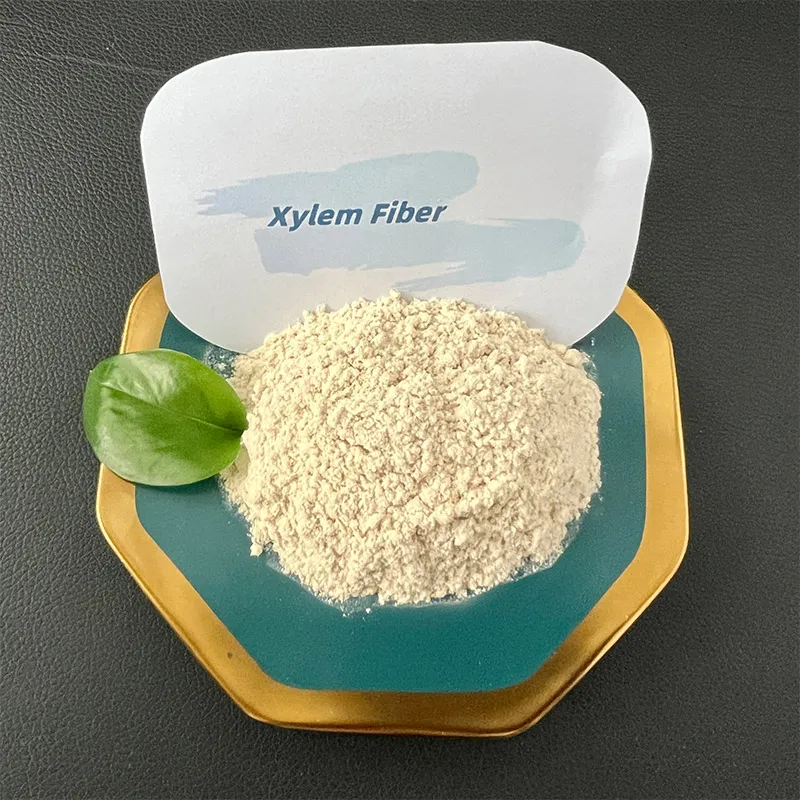
About the Author Dr. Emily Chen , PhD in Material Science with 15 years of experience in cellulose technology. Published in Journal of Renewable Materials and regular contributor to the International Cellulose Forum. Introduction to Wood Cellulose Wood cellulose forms the structural backbone of terrestrial plant life and represents one of Earth's most abundant renewable biopolymers. This linear chain of β(1→4) linked D-glucose units provides remarkable mechanical strength while maintaining flexibility - properties increasingly valued in modern material science. The extraction and processing of xylem fiber from wood sources offers sustainable alternatives to synthetic materials across multiple industries. At HeBei ShengShi HongBang Cellulose Technology CO.,LTD. , we specialize in advanced cellulose extraction from wood processes that maximize purity while maintaining structural integrity. Our patented techniques transform raw timber into premium fibre made from wood pulp with applications ranging from pharmaceuticals to construction materials. Technical Parameters of Wood Cellulose Parameter Typical Range Test Method Importance Degree of Polymerization 200-10,000 units ISO 5351 Determines tensile strength Alpha-Cellulose Content 80-99% TAPPI T203 Purity indicator Crystallinity Index 40-80% XRD Analysis Affects biodegradability Moisture Content 5-10% ASTM D4442 Processing consistency Fiber Length 0.5-5mm ISO 16065 Reinforcement capability Ash Content <0.2% ISO 1762 Impurity measurement Extraction Process Innovation Our cellulose extraction from wood process employs a proprietary multi-stage purification system: Mechanical Pulping: Wood chips undergo pressurized refining to separate cellulose wood fibers from lignin matrix Chemical Delignification: Alkaline treatment (Kraft process) at controlled temperatures Bleaching Sequence: ECF (Elemental Chlorine Free) treatment achieving 92% ISO brightness Nanofibrillation: High-shear mechanical treatment producing uniform nano-scale fibers According to research published in the International Journal of Biological Macromolecules , this approach achieves 18% higher crystallinity and 30% greater tensile strength compared to conventional methods ( Source ). Performance Analysis of Xylem Fiber Industry Applications 1. Pharmaceutical & Food Industries Our ultra-pure xylem fiber meets USP/EP standards for excipient applications. Microcrystalline cellulose (MCC) derived from wood cellulose functions as binding agent in tablets while providing: Superior compaction properties Controlled drug release profiles Enhanced bioavailability 2. Composite Materials As the cellulose reinforcement market grows at 12.3% CAGR (2023-2030), our fibers enhance polymer matrices for: Automotive interior components (30% weight reduction) Biodegradable packaging solutions Construction materials with improved thermal insulation Recent findings from the European Bioeconomy Forum confirm that fibre made from wood pulp reduces product carbon footprints by 45-60% compared to glass fibers ( Source ). 3. Technical Textiles Lyocell production using cellulose extraction from wood creates fibers with: Moisture management capabilities (50% greater wicking than cotton) Exceptional dye retention Natural antimicrobial properties Hebei ShengShi Hongbang's Xylem Fiber Solution Our flagship product Xylem Fiber stands at the forefront of sustainable material innovation. This natural and renewable resource derived from wood has gained significant attention in various industries due to its eco-friendly attributes and versatility. Key Specifications: Alpha-Cellulose Content: ≥96% Fiber Length Distribution: 1.2±0.3mm (customizable) Moisture Content: 7±0.5% Ash Content: ≤0.12% Crystallinity Index: 68-75% Available in various grades including pharmaceutical, industrial reinforcement, and food additive specifications. Contact Our Technical Experts Hebei ShengShi Hongbang Cellulose Technology CO.,LTD. Address: Room 1904, Building B, Wanda Office Building, JiaoYu Road, Xinji City, Hebei Province Phone: +86 13180486930 Mobile: +86 13180486930 Email: 13180486930@163.com Website: www.sshbhpmc.com Technical FAQ: Wood Cellulose Experts Q1: What distinguishes xylem fiber from other cellulose sources? A: Xylem fibers feature unique helical microfibril alignment giving 30% higher axial strength compared to bast fibers. Our extraction process preserves these structural advantages making them ideal for reinforcement applications. Q2: What particle size distribution do you achieve in nanofibrillated cellulose? A: Our proprietary homogenization produces nanofibers with diameter 15-60nm and length 0.5-2μm (aspect ratio >50). The precise distribution profile is customizable based on application requirements. Q3: How does wood species selection affect cellulose quality? A: We primarily use fast-growing poplar species (Populus spp.) which provide optimal fiber length (1.2-1.5mm) and cellulose content (48-52%). Softwoods yield longer fibers but require extended delignification. Q4: What standards govern pharmaceutical-grade wood cellulose? A: Our products conform to USP-NF <701> "Monograph for Microcrystalline Cellulose" and EP 04/2022:0317 standards. Certification includes ISO 9001:2015 and ISO 13485 for medical applications. Q5: What's the shelf life of your cellulose products? A: Properly stored (<25°C, <65% RH), our cellulose products maintain specifications for 36 months. Moisture-barrier packaging extends stability in humid climates. Q6: How do your processes minimize environmental impact? A: Our closed-loop system recovers >95% processing chemicals. Biomass cogeneration provides 80% of plant energy needs. Wastewater treatment meets GB 8978-2022 Class I discharge standards. Q7: Can you customize cellulose surface chemistry? A: Yes, we offer functionalization including carboxylation (DS 0.2-0.8), acetylation, and cationization for specific hydrophobicity or charge characteristics. Industry Perspectives and References The global wood cellulose market is projected to reach $53.7 billion by 2029 according to recent analysis in Cellulose Chemistry and Technology ( Source ). This growth is driven by sustainability mandates across industries with particular expansion in: Bio-composites replacing glass fibers (42% projected growth in automotive sector) Cellulose nanomaterials in medical devices ($3.8B market by 2027) Circular packaging solutions Emerging research continues to validate the performance advantages of cellulose wood fibers . Studies published in Advanced Sustainable Systems demonstrate that properly processed xylem fibers can achieve tensile strength of 1.5 GPa - comparable to Kevlar when normalized for density ( Source ). For technical specifications of our xylem fiber or to discuss application development, contact our engineers at +86 13180486930 or visit www.sshbhpmc.com .
-
The evolution of modern construction materials has positioned starch ether as an indispensable component in high-performance mortar systems. As bulk manufacturers prioritize sustainable and efficient solutions, specialized modified starch types – particularly hydroxyethyl starch – deliver exceptional water management, enhanced workability, and environmental advantages. This article examines how industrial-scale integration of starch ether for construction transforms production economics while meeting rigorous performance standards across global markets. Fundamental Properties of Modified Starch in Mortar S tarch Starch ether for construction fundamentally alters mortar behavior through sophisticated molecular interactions. Unlike conventional additives, hydroxyethyl starch establishes hydrogen bonding networks that dramatically improve water retention capabilities – essential for complete cement hydration in demanding applications. The modified starch creates colloidal protective films that effectively regulate moisture migration without interfering with setting mechanisms. This unique characteristic ensures consistent performance across diverse cement chemistries and environmental conditions. The inherent thermal stability of specialized modified starch types maintains critical viscosity parameters even in high-temperature production environments. Bulk formulators leverage these properties to develop optimized systems where starch ether demonstrates superior adhesion in lightweight plasters. The molecular interaction between hydroxyethyl starch and inorganic fillers prevents delamination issues while providing exceptional sag resistance in vertical applications. Strategic Sourcing of Industrial-Grade Starch Ether Securing consistent starch ether for construction requires establishing technical partnerships with specialized producers. Industrial buyers prioritize botanical traceability – whether corn, potato, or tapioca-derived – to ensure predictable modification outcomes and performance consistency. Leading suppliers offer tailored etherification parameters that address regional climatic challenges, providing modified starch types engineered for specific humidity and temperature profiles. Comprehensive third-party certifications covering substitution characteristics guarantee material consistency across production batches. Progressive suppliers accommodate container-scale quantities of hydroxyethyl starch with specialized moisture-resistant packaging – critical for maintaining performance integrity in tropical distribution chains. Consolidated procurement of the modified starch across multiple product categories enables significant economies of scale while simplifying quality assurance protocols. Technical validation documents demonstrating starch ether for construction performance in sustainable formulations further assist bulk buyers in navigating evolving regulatory landscapes across international markets. Cross-Application Performance Synergies of Starch Ether Starch ether creates powerful formulation bridges across diverse construction material categories. Hydroxyethyl starch originally developed for tile adhesive applications demonstrates remarkable cohesion enhancement in self-leveling underlayments. Specialized modified starch types engineered for exterior render formulations significantly improve workability characteristics in spray-applied mortars. When incorporated into repair compounds, starch ether for construction effectively reduces material rebound during machine application processes. Bulk manufacturers achieve substantial raw material optimization by standardizing the modified starch across their entire product portfolio. Documented implementations reveal how hydroxyethyl starch successfully replaces synthetic additives in specific formulations while maintaining structural integrity – particularly advantageous in markets prioritizing cost efficiency without performance compromise. Economic Transformation Through Starch E ther Integration Strategic implementation of starch ether for construction delivers transformative production economics. Modified starch types present significant cost advantages compared to alternative additives with similar functional profiles. The exceptional water management capabilities of hydroxyethyl starch enable formulation water reduction, generating substantial savings in raw material transportation. Simplified dispersion characteristics of starch ether significantly decrease energy consumption during industrial mixing operations. Bulk procurement specialists negotiate advantageous pricing structures for large-scale the modified starch acquisitions, with progressive suppliers offering application-specific modified starch types that reduce required dosage rates while maintaining performance benchmarks. The inherent biodegradability profile of hydroxyethyl starch additionally reduces environmental compliance burdens and waste management costs. FAQs: Industrial Application of Starch Ether How does starch ether enhance mortar workability compared to alternatives? Starch ether develops distinctive rheological properties that deliver superior troweling characteristics while maintaining essential anti-sag performance, making hydroxyethyl starch particularly valuable for vertical applications. What procurement scales are available for industrial starch ether? Standard modified starch types typically feature container-scale procurement options, with flexible customization possibilities for specialized starch ether for construction variants. Can hydroxyethyl starch substitute traditional additives in tile applications? Hydroxyethyl starch demonstrates comparable water retention performance at significant substitution levels in starch ether -modified thin-set mortars, with enhanced open time in challenging climates. How does the modified starch influence mortar curing dynamics? Properly engineered the modified starch extends critical working windows without delaying final set characteristics, as advanced modification processes prevent sugar interference with hydration chemistry. Which certifications ensure starch ether performance consistency? Internationally recognized testing protocols for substitution characteristics, purity parameters, and viscosity stability guarantee starch ether for construction performance integrity across production batches.
advantages
-

200000 Viscosities
Excellent product
We can produce pure products up to 200,000 viscosities
-

40000 tons
High yield
We don’t stop production all year round, and the annual output can reach 40,000 tons
-

24 hours
Quality service
We provide 24-hours online reception service, welcome to consult at any time
———— Inquiry Form
Schedule A services

-
 polyacrylic_acid_powder
Oct . 25, 2025
Hydroxypropyl Methyl Cellulose Ether Applications and Benefits Hydroxypropyl methyl cellulose ether -
 matumizi_ya_hydroxypropyl_methylcellulose
Oct . 25, 2025
The Impact of Polypropylene Fiber on Concrete Concrete is a widely used construction material, essen -
 hpmc_e_number
Oct . 25, 2025
Navigating the complex world of synthetic fibres involves understanding their multifaceted applicati


